Blog Image

Acorn Health Blog

What we love is great health...

...and we like to write about how we can all achieve better health, naturally. Sometimes tips on how you can DIY to better health and sometimes on the therapies that can make a difference to you, your health and wellbeing.
Thank you for reading, We hope you enjoy :)

Reflexology and the Nervous System: Finding Your Way Back to Balance

Therapies Posted on Wed, July 01, 2026 10:01AM

by Anne-Marie Walker

Have you ever felt exhausted but unable to switch off? 

Like your mind is constantly racing, your body feels tense, and even when you sit down to relax, you don’t actually feel relaxed?

You’re not alone.

One of the biggest things I see in my treatment room is people living with overwhelmed nervous systems. We live in a world where we’re constantly connected, constantly busy, and often carrying far more than we realise. Over time, this can leave us feeling stressed, anxious, drained, and disconnected from ourselves.

This is one of the reasons I love reflexology so much.

Many people come for a reflexology treatment because they want to relax, but what they often don’t realise is just how powerful that relaxation can be for the nervous system and overall wellbeing.

What Is the Nervous System?

Think of your nervous system as your body’s communication network. It controls everything from your breathing and digestion to your sleep, emotions, energy levels, and stress responses.

It has two main modes:

The first is your fight, flight, or freeze response. This is designed to keep you safe when you face danger or stress.

The second is your rest, digest, and restore response. This is where healing, repair, and regeneration happen.

The challenge is that many of us spend so much time rushing, worrying, and juggling responsibilities that our bodies forget how to fully switch into that healing state.

How an Imbalanced Nervous System Shows Up

An overwhelmed nervous system doesn’t always look like obvious stress.

It can show up as:

  • Feeling tired all the time
  • Difficulty sleeping or waking in the night
  • Anxiety or overwhelm
  • Brain fog
  • Digestive issues
  • Headaches or muscle tension
  • Feeling emotional or reactive
  • Low energy and lack of motivation
  • Feeling disconnected from yourself
  • Struggling to switch off and relax

I often get told by people, “I don’t feel stressed,” but their body is telling a different story.

Our bodies are incredibly wise. They are always communicating with us. The question is whether we’re listening.

Why This Matters for Your Health and Spiritual Wellbeing

When our nervous system is constantly on high alert, the body prioritises survival over healing.

This can affect sleep, digestion, immunity, hormone balance, energy levels, and emotional wellbeing.

From a spiritual perspective, it also affects our connection to ourselves.

When we’re constantly rushing from one thing to the next, it’s difficult to hear our intuition. It’s harder to feel connected to our guides, our inner wisdom, and the gentle nudges that are always available to us.

Many people spend years searching for more clarity, more peace, or a deeper spiritual connection when what they really need is to feel safe enough to slow down.

A regulated nervous system creates space for that connection to happen.

How Reflexology Can Help

One of the beautiful things about reflexology is that it encourages the body to move out of stress mode and into a state of deep relaxation.

Reflexology is based on the principle that the feet mirror and connect to the whole body. Different reflex points on the feet correspond with different organs, glands, and body systems. By gently working these reflex points, reflexology helps the body to move back into balance and harmony.

As I work on the feet, I am not simply treating the feet themselves. Through these reflex points, I am supporting the whole person – body, mind, and spirit.

The treatment creates an opportunity for the nervous system to slow down and shift into a more restorative state. Breathing often becomes deeper, muscles begin to soften, and the mind becomes quieter.

Many clients tell me they feel calmer after a treatment than they have in weeks.

Others notice they sleep better, feel more emotionally balanced, have more energy, or simply feel more like themselves again.

Reflexology isn’t about forcing the body to do anything. Instead, it works with the body’s own wisdom, encouraging it to move back towards balance naturally. Sometimes this feels like deep relaxation. Sometimes it brings a sense of clarity, grounding, or emotional release. Every experience is unique because every person is unique.

Above all, reflexology offers something many of us rarely give ourselves: permission to pause, reset, and receive.

Supporting Your Nervous System Every Day

While regular reflexology treatments can be incredibly supportive, there are also simple things you can do at home to help your nervous system feel safer and more balanced.

Slow Your Breathing

Your breath is one of the quickest ways to communicate safety to your nervous system.

Try taking a slow breath in through your nose and an even slower breath out through your mouth. Just a few minutes can make a difference.

Spend Time in Nature

Nature has a wonderful way of helping us regulate. A walk in the woods, sitting in the garden, or simply noticing the sky can help bring us back to the present moment.

Create Moments of Stillness

You don’t need an hour-long meditation practice.

Five minutes with a cup of tea, pulling an oracle card, journaling, or simply sitting quietly can help your nervous system reset and reconnect.

Prioritise Rest

Rest is not something we earn. It is something we need.

Giving yourself permission to slow down is one of the most healing things you can do.

Connect With Your Body

Many of us spend so much time in our heads that we forget to check in with our bodies. Gentle movement, stretching, walking, receiving a treatment, or simply placing your hands on your heart and taking a few conscious breaths can help bring you back into the present moment.

A Final Thought

I truly believe that many of us don’t need to become more productive, do more, or push harder.

We need to feel safe.

Safe enough to rest.

Safe enough to receive.

Safe enough to reconnect with ourselves.

Reflexology offers a beautiful opportunity to do exactly that.

By working the reflex points on the feet that mirror the whole body, reflexology gently encourages the body and nervous system to return to a state of balance. In that space, healing can begin, stress can soften, and we can reconnect with ourselves on a deeper level.

Whether you’re struggling with stress, anxiety, poor sleep, overwhelm, or simply feel like you’ve lost your sense of balance, reflexology can provide a gentle space for your body, mind, and soul to come back into harmony.

Sometimes the most powerful healing begins when we simply allow ourselves to stop, breathe, and be.

Anne Marie Allen
Reflexologist, Aromatherapist, Massage Therapist, Reiki Master & Soul Alignment Mentor, holding sessions online and face to face from Acorn Natural Health Centre in Heanor, Derbyshire.


How Hypnotherapy Can Help Reduce or Eliminate Anxiety

General Health & Wellbeing, Therapies Posted on Thu, September 28, 2023 10:48AM

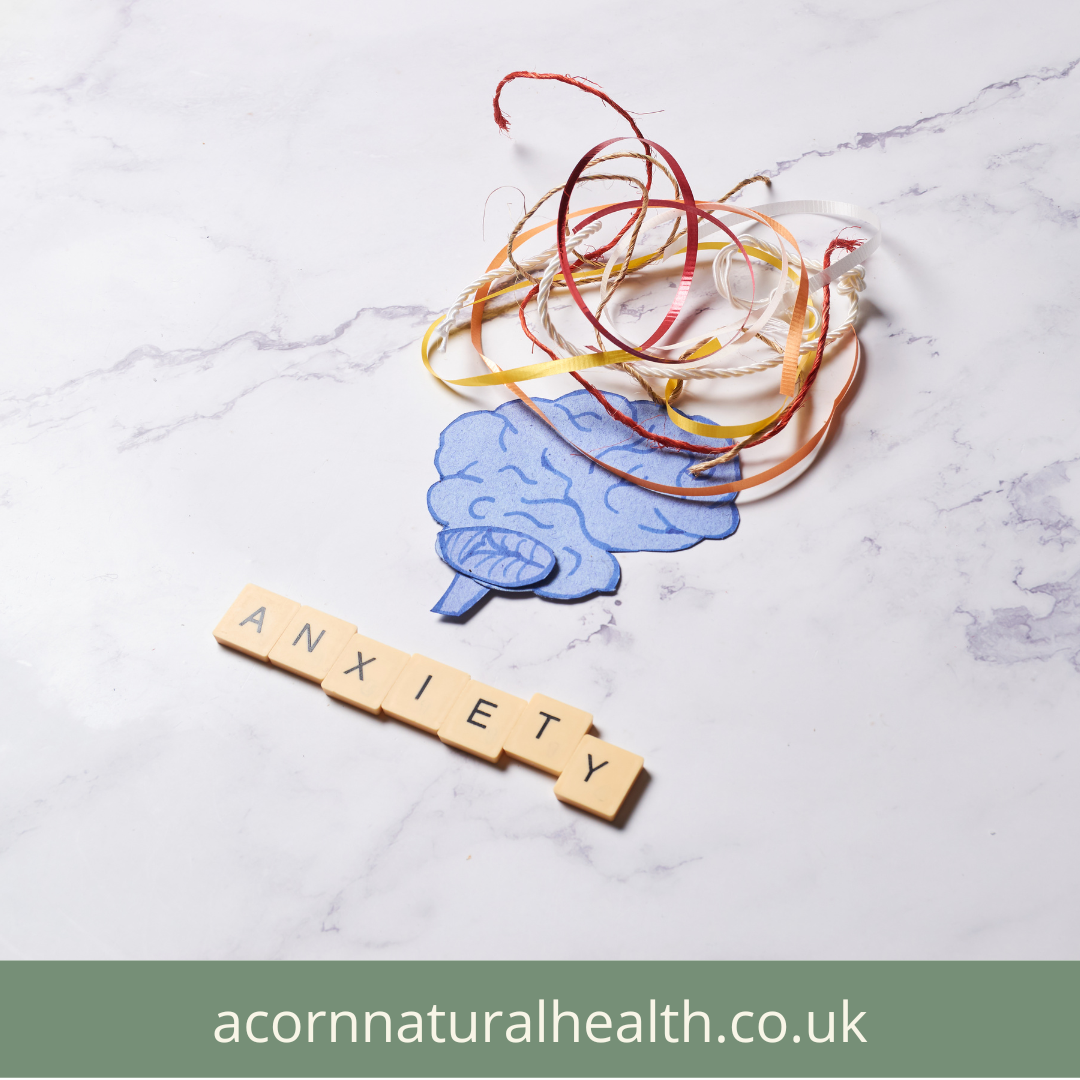
Anxiety is a common and sometimes overwhelming feeling that many of us face in our daily lives. Whether it’s the stress of work, personal relationships, or life’s uncertainties, anxiety can creep in and disrupt our peace of mind. Fortunately, there’s a powerful tool called hypnotherapy that can help you take control of your anxiety and lead a more balanced life.

Understanding Anxiety:

Before diving into how hypnotherapy can assist with anxiety, let’s grasp what anxiety really is. Anxiety is essentially your body’s natural response to stress, a fight-or-flight mechanism that can help you in dangerous situations. However, when this response becomes chronic, it can lead to a range of physical and mental health issues.

How Does Hypnotherapy Work?

Hypnotherapy is a therapeutic technique that uses guided relaxation and focused attention to access your subconscious mind. Contrary to what you might have seen in movies, hypnotherapy is not about mind control; it’s about helping you gain more control over your own thoughts and behaviours.

Here’s how it can assist in reducing or eliminating anxiety:

1. Identifying Root Causes:

Hypnotherapy helps you delve into your subconscious to identify the root causes of your anxiety. Often, anxiety is linked to past traumas or unresolved issues that you may not even be consciously aware of. By addressing these underlying factors, you can start to heal and reduce anxiety’s grip on you.

2. Rewiring Negative Thought Patterns:

Anxiety often arises from negative thought patterns and beliefs. Hypnotherapy can help reprogram your subconscious mind, replacing those negative thoughts with positive ones. This process is known as cognitive restructuring and can be a powerful tool for combating anxiety.
3. Stress Reduction:

Through deep relaxation and visualization techniques, hypnotherapy can lower your overall stress levels. This reduction in stress is crucial for managing and ultimately reducing anxiety. When your body is in a relaxed state, it’s harder for anxiety to take hold.

4. Building Confidence and Self-Esteem:

Many people with anxiety struggle with self-doubt and low self-esteem. Hypnotherapy can boost your confidence and self-worth by implanting positive affirmations and self-assured beliefs in your subconscious mind.

5. Developing Coping Strategies:

Hypnotherapy equips you with effective coping strategies for managing anxiety. These strategies can include breathing exercises, self-hypnosis techniques, and mental imagery that can be employed in everyday situations when anxiety strikes.

6. Enhanced Mindfulness:

Hypnotherapy encourages mindfulness, which is the practice of staying present in the moment. This can help you detach from anxious thoughts about the future and ruminations about the past. By staying in the now, you can reduce anxiety’s grip on your mind.

7. Progressive Relaxation:

One of the most immediate benefits of hypnotherapy is the deep relaxation it induces. This state of relaxation can serve as a powerful antidote to the physical symptoms of anxiety, such as racing heart and shallow breathing.

In Conclusion:

Hypnotherapy is a versatile and effective tool for reducing or even eliminating anxiety. By accessing your subconscious mind and rewiring negative thought patterns, it can help you regain control over your mental and emotional state. It’s essential to work with a qualified and experienced hypnotherapist who can tailor the sessions to your specific needs.

If you’re tired of letting anxiety rule your life, consider giving hypnotherapy a try. It’s a safe and empowering way to take charge of your mental well-being and embark on a journey towards a more relaxed and anxiety-free existence. Remember, you have the power to transform your mind and overcome anxiety with the right guidance and techniques.

Would you like to find out if hypnotherapy could help you?